


Brief


|
Resumo
Mesmo com as empresas fazendo grandes apostas em transformações com IA e com funcionários de todos os níveis sentindo uma ansiedade cada vez maior em relação à tecnologia, o nível de satisfação vem caindo. Em uma pesquisa da Bain com 100 CEOs, cerca de 80% afirmaram estar insatisfeitos com o avanço de seus programas de IA, apesar dos altos investimentos e das grandes expectativas. E não são apenas os CEOs que estão descontentes com essas transformações. Segundo o relatório Today at Work 2026, da ADP, apenas 18% dos profissionais qualificados que executam tarefas especializadas consideravam seus empregos seguros. O problema não está na tecnologia, mas no fato de ela não estar chegando às pessoas que realmente importam. Nós as chamamos de “profissionais de destaque”: pessoas que atuam na linha de frente e que poderiam gerar as maiores contribuições caso seu desempenho fosse potencializado pela IA. Esse é um grupo que se sente especialmente ansioso ao ver suas empresas investindo milhões de dólares em iniciativas de IA para aumentar a produtividade da organização, sem saber como ou quando será afetado. Automatizar e simplificar atividades executadas em grande escala já se tornou um requisito básico, porque todas as empresas têm acesso às mesmas ferramentas. Potencializar os profissionais da linha de frente, por outro lado, cria algo próprio e exclusivo. Isso fortalece as pessoas, os processos, os dados e os relacionamentos com clientes de maneiras que os concorrentes não conseguem copiar facilmente. No setor de bens de consumo, esses profissionais podem ser gerentes de contas estratégicas e gerentes de marca. No varejo, podem ser gerentes de loja e gerentes de categoria. Em empresas industriais, podem ser engenheiros de serviço de campo e equipes de vendas técnicas. O elemento em comum entre todos eles é que os profissionais de destaque da linha de frente atuam justamente no ponto de encontro entre o julgamento humano, os relacionamentos, o conhecimento especializado e os resultados de alto valor. A IA não os substitui; ela lhes dá "superpoderes". É por isso que as melhores empresas estão levando aos profissionais da linha de frente ferramentas capazes de reduzir ao mínimo as partes de seu trabalho que não agregam valor, ao mesmo tempo que aprimoram aquelas que mais influenciam o desempenho. Essas empresas estão fazendo apostas estratégicas, em vez de recorrer a aplicações fragmentadas. Elas identificam um pequeno número de funções de alto valor nas quais a IA pode alterar significativamente a participação de mercado, transformar a estrutura econômica do negócio ou criar uma nova experiência para o cliente que os concorrentes não consigam reproduzir com facilidade. Considere o caso de uma empresa global de tecnologia que se destacou ao tratar a IA como um motor de crescimento, e não apenas como uma ferramenta de eficiência. Em vez de limitar seu uso à automação e simplificação de atividades, a empresa se concentrou em uma área central de geração de valor: sua força de vendas. A ambição era clara: dobrar o tempo dedicado aos clientes e aumentar em 30% a receita por vendedor. Ao reformular a maneira como os vendedores se preparavam para reuniões e acessavam conteúdos, as ferramentas de IA reduziram em 25% o tempo gasto procurando materiais sobre produtos, liberando mais capacidade para atividades comerciais de maior valor. Os vendedores passaram a chegar mais bem preparados, responder com mais rapidez e fechar mais negócios. Combinadas a outras mudanças viabilizadas por IA ao longo do processo comercial, essas iniciativas aumentaram em mais de 50% a receita por funcionário e se traduziram em um crescimento de 30% no lucro por ação nos dois primeiros anos da jornada. Alcançar resultados como esses começa pela comparação entre os benefícios de investir em aplicações específicas e os de concentrar os esforços nos profissionais de destaque da linha de frente. Muitas empresas distribuem seus investimentos em IA por dezenas de soluções pontuais — um chatbot aqui, um resumidor de documentos ali — que geram ganhos incrementais de eficiência, mas nunca transformam de fato o desempenho. A alternativa é concentrar-se nos profissionais da linha de frente e reformular de ponta a ponta a maneira como trabalham. No caso de gerentes de contas estratégicas do setor de bens de consumo, por exemplo, o objetivo é ajudá-los a tomar decisões melhores, passar mais tempo com os clientes, vender com mais eficácia, obter preços e margens superiores e oferecer um atendimento de excelência. Para chegar a esse resultado, é necessário transformar de maneira abrangente a forma como esses profissionais trabalham, contemplando pessoas, processos e tecnologia. Há três áreas principais de foco. Primeiro, implementar a tecnologia adequada, apoiada por dados proprietários: ferramentas de IA incorporadas diretamente à rotina de trabalho, que simplifiquem a preparação e forneçam análises, recomendações e suporte para decisões melhores. Segundo, reformular o fluxo de trabalho para orientar a atuação desses profissionais desde a preparação até a negociação e a execução. Por fim, capacitar as pessoas para que consigam trabalhar de maneira eficaz em conjunto com as ferramentas de IA. A abordagem mais poderosa começa pelos profissionais de melhor desempenho. No exemplo do setor de bens de consumo, isso significa potencializar os principais gerentes de contas estratégicas, oferecendo acesso mais rápido a dados, análises mais relevantes e fluxos de trabalho integrados. Em seguida, deve-se usar o aprendizado obtido para elevar todos os demais gerentes de contas estratégicas ao mesmo nível de desempenho, aproveitando fluxos padronizados, ferramentas e dados proprietários. Um gerente de contas estratégicas que entra em uma negociação munido de análises geradas por IA sobre a pressão nas margens do varejista e as tendências da categoria não está apenas economizando tempo. Ele está atuando em um nível que antes não era possível. Essa diferença é importante porque os ganhos de produtividade são fáceis de medir, mas dificilmente despertam entusiasmo nas pessoas. A ampliação das capacidades, por outro lado, gera uma demanda genuína pela tecnologia. Por onde começarÉ importante escolher uma abordagem alinhada à estratégia e à cultura da empresa. Naturalmente, capacitar os profissionais da linha de frente nem sempre é o melhor ponto de partida. Isso depende muito do setor e da cultura organizacional. No setor bancário, por exemplo, normalmente há mais valor a ser gerado com a automação e simplificação de atividades e de processos que abrangem toda a empresa. O mesmo vale para organizações de diversos setores cuja estratégia é ser o produtor de menor custo entre seus concorrentes. Selecione as áreas prioritárias para construir um novo nível de vantagem competitiva. As empresas podem priorizar profissionais da linha de frente e processos considerando o grau de preparação tecnológica e o valor potencial a ser gerado (Figuras 1 e 2).
Figura 1
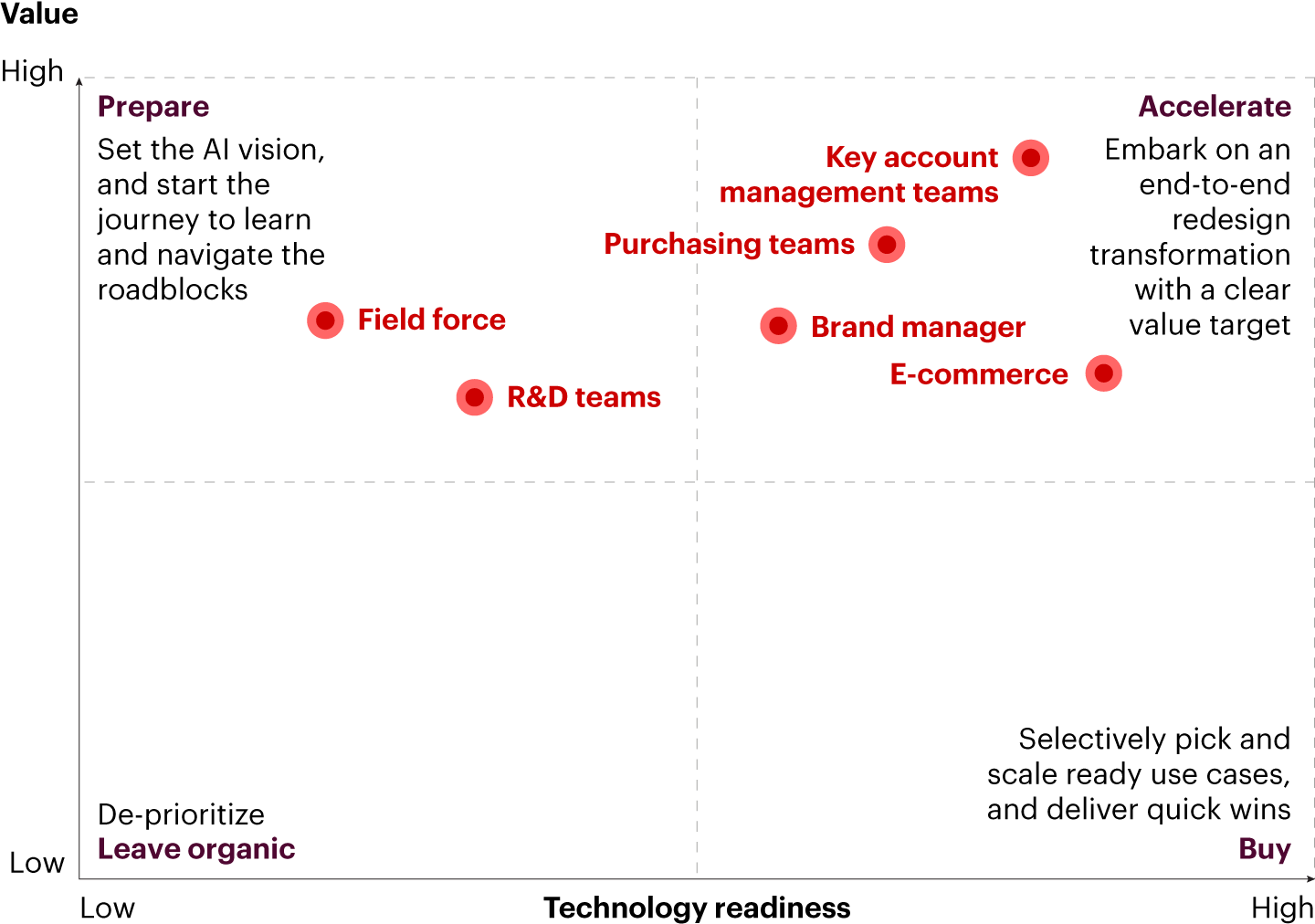

Note: Consumer Products example Source: Bain & Company
Figura 2
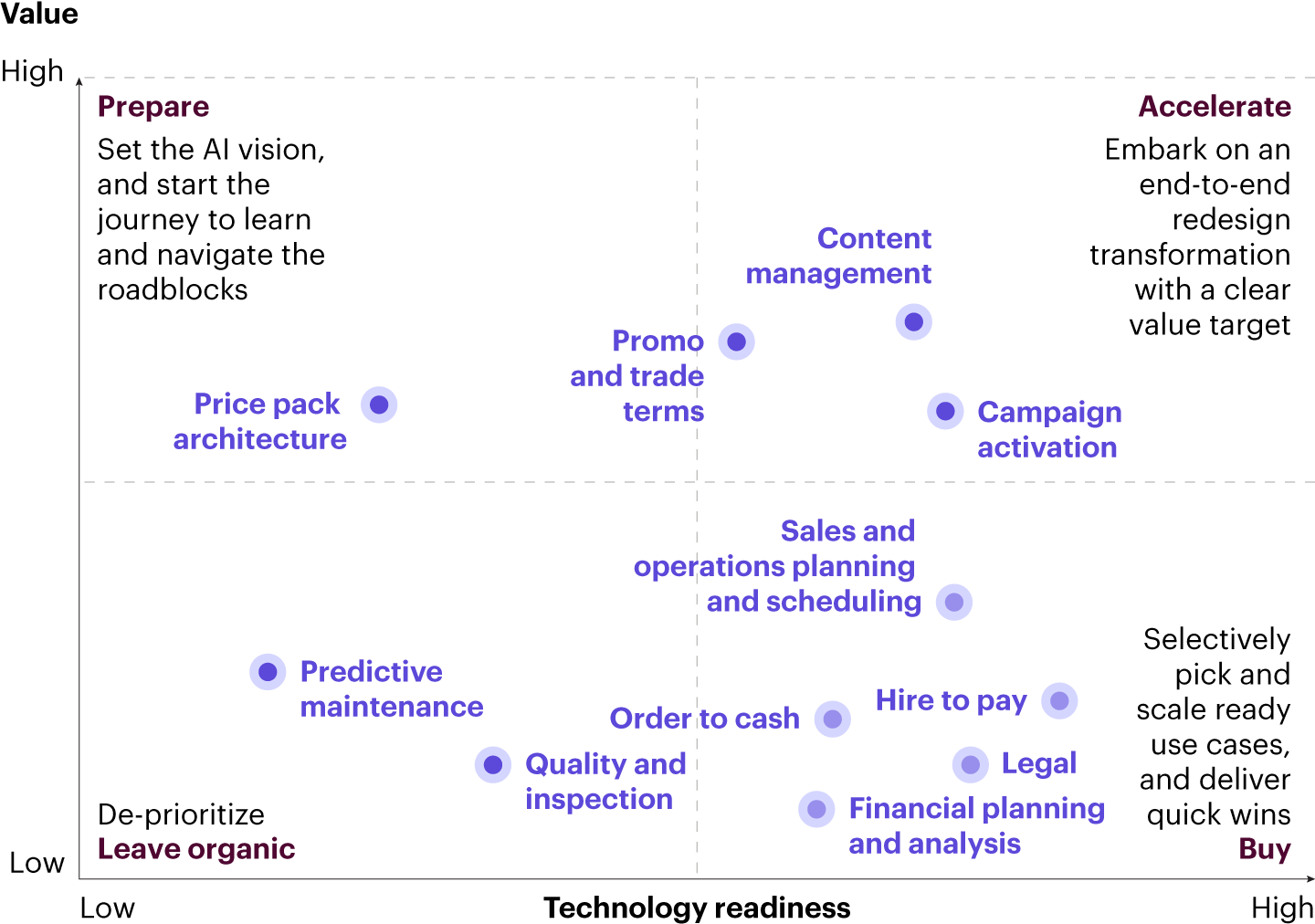

Note: Consumer Products example Source: Bain & CompanyTome a decisão entre comprar e desenvolver. Em algumas áreas, será necessário liderar o setor por meio da criação de ferramentas e processos proprietários. Em outras, será possível utilizar soluções prontas, incorporadas a padrões do setor, como sistemas de CRM ou ERP. Criar fluxos de trabalho proprietários, potencializados por IA para a linha de frente, é justamente o que gera uma vantagem competitiva sustentável. Já as ferramentas prontas disponíveis no mercado serão suficientes para atividades padronizadas. Assim como ocorre em outras áreas da organização, os gestores da linha de frente estão preocupados com a forma como as ferramentas de IA serão usadas em seus trabalhos, e muitos temem o pior. A resposta é mostrar a eles como utilizar a tecnologia de IA para alcançar um desempenho superior. Chegou a hora de pensar em como a IA pode criar fontes reais de vantagem competitiva. Enquanto seus concorrentes ainda estão concentrados em automatizar e simplificar atividades, existe uma oportunidade para construir algo que eles não consigam copiar facilmente. As empresas que se moverem primeiro para potencializar sua linha de frente estabelecerão um ritmo que as demais terão dificuldade de acompanhar. |